Is XPEL Or 3M Better Tint? A Complete Guide for Car Owners
When upgrading your vehicle with window film, two brand names consistently dominate the conversation: XPEL and 3M. Both manufacturers have established strong reputations for heat protection, UV blocking, and long-term durability. However, deciding whether XPEL or 3M is better tint depends on your specific performance priorities, aesthetic preferences, and budget.
For drivers living in the Greater Los Angeles area, high summer temperatures and strong sunlight make window tinting more than just a cosmetic style choice. Protecting your car interior from sun damage and keeping the cabin cool during daily commutes is essential. At Legacy Mobile Tints, we help vehicle owners evaluate top-tier film options so they can choose the best material for their daily driving needs.
Understanding XPEL and 3M Tint Technologies
To evaluate XPEL vs 3M, it helps to understand the underlying film technology. Both companies manufacture advanced carbon and ceramic window films designed to withstand heavy sun exposure without fading or turning purple.
Carbon vs Ceramic Window Tint
Carbon window film uses carbon particles embedded within the material. It offers a matte finish, blocks moderate heat, and will not fade over time. Ceramic window tint uses non-conductive, nano-ceramic particles. It is the highest-performing option on the market today, blocking both visible light and invisible infrared heat rays.
Both XPEL and 3M offer carbon and ceramic product lines, but their ceramic options are where the main comparison lies.
XPEL vs 3M: Performance Feature Comparison
Evaluating film performance involves looking at heat rejection, infrared defense, optical clarity, and long-term durability.
1. Heat Rejection and Infrared Defense
Infrared (IR) radiation is the heat you feel on your skin when sitting inside a vehicle parked in the sun. Ceramic window films are specifically engineered to reflect and absorb this solar heat.
XPEL offers its popular PRIME XR and PRIME XR Plus series. The XPEL PRIME XR Plus film utilizes advanced nano-ceramic technology to block up to 98 percent of infrared heat. This delivers maximum cabin cooling even on 100-degree days in Southern California.
3M features its Crystalline and Ceramic IR series. The 3M Crystalline series relies on a multi-layer optical film technology containing over 200 micro-layers. This line rejects up to 97 percent of infrared heat without needing to be exceptionally dark. The 3M Ceramic IR series provides solid solar heat reduction using standard ceramic technology at a lower price point.
In side-by-side performance tests, top-tier ceramic options from both manufacturers deliver similar heat rejection. XPEL PRIME XR Plus holds a slight advantage in total solar energy rejection (TSER) in darker tint shades, while 3M Crystalline excels at blocking heat in lighter, virtually clear shades.
2. Optical Clarity and Glare Reduction
Clear visibility is essential for driving safety, especially at night or in heavy rain. Lower-quality films can create a hazy or blurry visual distortion when sun hits the glass directly.
3M Ceramic IR and XPEL PRIME both offer high optical clarity with minimal glare. However, 3M Crystalline can sometimes display a subtle warm or blue undertone depending on the light angle due to its multi-layer construction. XPEL PRIME films are widely praised for providing a crisp, true neutral charcoal or black tint across all darkness levels.
3. Electronics and Signal Interference
Older window films relied on metallic particles to bounce heat away from the cabin. The downside was that metal disrupted cell phone reception, GPS routing, and satellite radio signals. Both XPEL PRIME and 3M ceramic lines are completely non-metallic. They will not interfere with keyless entry systems, cellular signals, or Bluetooth connectivity.
4. Warranty and Durability
Both manufacturers back their top-tier products with solid nationwide lifetime transferable warranties. These cover issues like bubbling, peeling, cracking, blistering, and color shifting (turning purple). When applied by a professional installer, both XPEL and 3M films are designed to last the life of the vehicle.
California Tint Laws and Shade Selection
Choosing between XPEL or 3M also means selecting the right shade while staying compliant with local regulations. California motor vehicle code dictates specific visual light transmission (VLT) percentages for passenger cars:
- Windshield: A clear tint strip is permitted along the top four inches of the windshield. Full windshield tinting must remain compliant with state VLT guidelines.
- Front Side Windows: Driver and front passenger windows must allow at least 70 percent of light through when combined with factory glass.
- Rear Side Windows: Any level of darkness can be applied to the rear side windows, provided the vehicle has dual side mirrors.
- Back Window: Any darkness level is allowed on the rear window.
At Legacy Mobile Tints, we carry carbon and ceramic films in shades ranging from 50 percent (a lighter, subtle shade) down to 5 percent (dark limo tint). Reviewing our carbon and ceramic tint options allows you to select a shade that meets your preferences for heat protection, privacy, and legal compliance.
Which Brand Is Right for Your Vehicle?
Both brands produce reliable, high-end products. Making the final choice comes down to your personal goals:
XPEL is often better if:
- You prefer a deep, neutral black finish that matches factory privacy glass.
- You want maximum infrared heat rejection in standard dark shades like 20 percent or 15 percent VLT.
- You want high-performance ceramic technology with sleek visual appeal.
3M is often better if:
- You want high heat protection while keeping your windows very light or virtually clear (using 3M Crystalline 70%).
- You prefer working with a legacy brand name that has decades of history in adhesive technology.
The Value of Professional Mobile Installation
Selecting the best film manufacturer is only half of the equation. Film performance depends heavily on the skill of the installer and the cleanliness of the installation environment. Dust particles or poor alignment can cause premature peeling and unsightly bubbles.
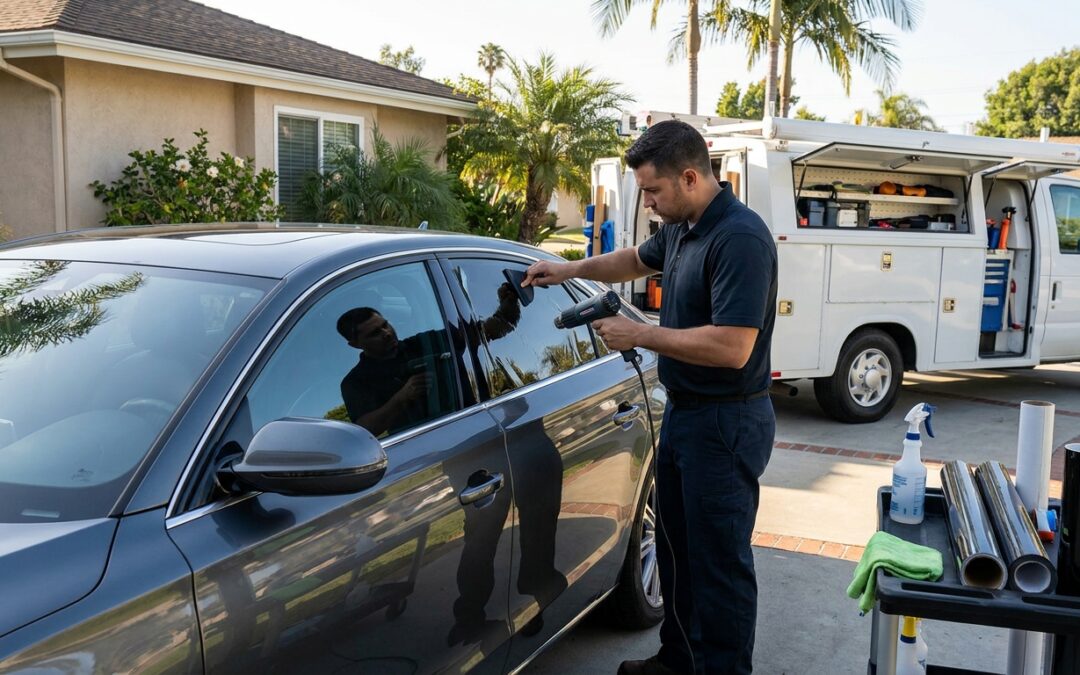
Taking your car to an auto shop often means sitting in a waiting room or arranging rides back and forth. Legacy Mobile Tints solves this by bringing professional window tinting directly to your home or office. We arrive with specialized tools, precision-cut film, and clean installation protocols to give your car shop-quality results on site.
You can browse our work to view completed mobile installations across Southern California.
We serve vehicle owners throughout the Los Angeles area and San Gabriel Valley, including:
Request Your Free Mobile Tint Quote Today
Whether you choose XPEL or 3M technology, upgrading to ceramic window tint keeps your cabin cooler, protects your interior upholstery from fading, and blocks harmful UV rays. Legacy Mobile Tints makes the process seamless by delivering expert installation to your driveway or workplace.
Ready to upgrade your car with premium window film? Call Legacy Mobile Tints today at 818-605-5855 or visit our contact page to request your free quote.