Do Tints Devalue Your Car? What You Need to Know About Resale Value
When upgrading a vehicle, many car owners ask a simple question: Do tints devalue your car? The short answer is that high-quality, professionally installed window tint does not devalue your car. In fact, in hot climates like Southern California, proper window film can preserve your interior and increase buyer interest. However, low-grade materials, amateur installation, or illegal tint levels can negatively impact resale value.
Whether you drive daily through Pasadena or park under the sun in Glendale, understanding how window film affects vehicle valuation helps you make a smart decision. This guide breaks down how window tinting impacts vehicle worth, the difference between cheap and high-performance materials, California tint laws, and how professional mobile installation protects your investment over time.
How Window Tinting Affects Vehicle Resale Value
Window tint affects a car’s resale value based on three key factors: current condition, material quality, and legal compliance. Potential buyers and dealership appraisers evaluate window film through a practical lens. If the tint improves cabin comfort and protects interior surfaces, it is considered a clear feature. If it distorts vision or requires removal, it becomes an added expense.
Interior Protection and Sun Damage Prevention
Vehicle interiors degrade quickly under intense ultraviolet rays and cabin heat. Direct exposure causes dashboard vinyl to dry out, leather seats to crack, and fabric upholstery to fade. Over a few years, solar damage severely lowers a car interior condition rating during trade-in or private sale appraisals.
Installing quality window film forms a protective shield against damaging ultraviolet radiation and solar heat buildup. By shielding the cabin materials from wear, window tinting keeps the interior looking fresh. Prospective buyers appreciate a well-preserved interior, which helps maintain higher market value in sunny areas.
The Cost of Aged or Low-Quality Window Film
While good window film adds protection, deteriorating film creates immediate drawbacks. Inexpensive tint products often break down after extended sun exposure. When film fails, it changes color to a purple shade, forms large air bubbles, or peels away from the glass edges. This looks unappealing and impairs driving visibility.
When an appraiser or private buyer spots bubbling tint, they factor in the cost and labor required to strip it off. Removing old adhesive without damaging rear defroster lines requires specialized effort. Consequently, buyers routinely lower their offers to cover the removal cost.
The Impact of Material Quality: Carbon vs Ceramic Tint
The type of film on your auto glass determines whether tinting remains an asset or becomes a liability. Reviewing modern tint options helps you select the right grade for long-term performance and appearance.
Why Standard Dyed Film Fails Over Time
Dyed tint is an entry-level product. While it offers an initial dark appearance, it relies on basic dye layers that absorb heat rather than reject it. Solar heat causes the dye to break down over time, turning the film purple and creating air pockets. Because dyed film degrades rapidly, it rarely adds value to a pre-owned car and usually requires early replacement.
Why Carbon and Ceramic Films Hold Long-Term Value
Carbon and ceramic films deliver exceptional durability without fading or bubbling over time. Carbon film incorporates carbon particles into the material, creating a matte finish that rejects heat effectively without interfering with mobile device signals.
Ceramic window tint represents top-tier automotive solar protection. It utilizes non-conductive ceramic particles to reject substantial amounts of infrared heat and block ultraviolet rays while preserving optical clarity. These advanced films come in various light transmission levels, ranging from 50 percent for moderate shading down to 5 percent for dark privacy applications where permitted. Premium ceramic and carbon films maintain their color, clarity, and performance for years, helping your vehicle retain its clean aesthetic.
Understanding California Tint Laws and Car Valuation
Legality plays an essential role in whether window tint hurts or helps vehicle value. A car with non-compliant window film presents legal concerns for buyers, which can lead to reduced trade-in values.
Staying Compliant with California Regulations
California law sets specific limits on window darkness levels for motor vehicles. Front side windows must allow a specific level of visible light transmission through the glass and film combined. The front windshield can only have a non-reflective strip along the top portion. Rear side windows and the back windshield allow darker options, including shades down to 5 percent visible light transmission.
How Non-Compliant Tint Affects Resale Negotiations
If your front side windows feature tint that exceeds state limits, auto dealerships taking the car on trade-in will usually strip the front film before placing the vehicle for sale. They deduct this labor charge directly from your vehicle valuation offer. Private buyers may also ask for a price reduction if they need to replace the tint to comply with local laws. Keeping your installation legal protects your driving comfort and keeps your car ready for sale.
Professional Mobile Installation vs DIY Application
How window film is applied is just as critical as the film quality itself. Store-bought DIY window tint kits rarely deliver clean results. Without a controlled process, self-installed tint often traps dust particles, leaves creases, and creates uneven border gaps.
Why Professional On-Site Installation Preserves Value
Professional installers use clean preparation techniques and custom edge trimming to ensure complete adhesion. A clean, gap-free installation blends into the glass seamlessly, looking like original factory equipment rather than an aftermarket addition.
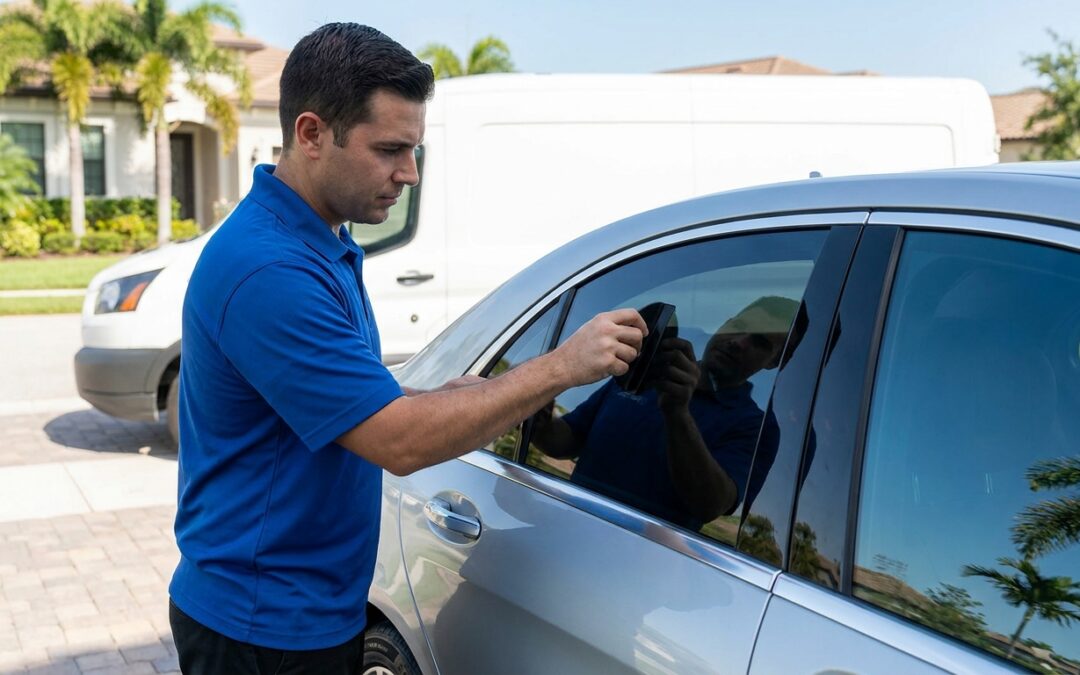
Using specialized services, such as expert mobile car tinting in Pasadena and surrounding communities, provides top-grade application right at your location. Experienced installers carry professional tools and high-grade materials to your home or office driveway, eliminating hassle while ensuring precise results.
How to Ensure Your Window Tint Investment Preserves Value
To ensure window tinting protects your vehicle interior and supports strong resale value, keep these best practices in mind:
- Select high-grade carbon or ceramic window film that maintains color stability.
- Ensure front side window shades meet California visible light transmission standards.
- Use a qualified professional mobile installer instead of attempt DIY application.
- Keep installation records and material documentation to show potential buyers.
- Check our work gallery to view real examples of clean, high-performance applications before booking.
Request Your Mobile Window Tint Quote Today
So, do tints devalue your car? Not when you choose high-quality materials and professional application. Premium carbon or ceramic film protects cabin materials from sun exposure, keeps interior temperatures cooler, and preserves your vehicle overall appearance.
Legacy Mobile Tints provides expert mobile automotive window tinting services throughout the Los Angeles area, including Pasadena, Glendale, Burbank, Arcadia, Alhambra, Monterey Park, Montebello, South Pasadena, and San Marino. We bring carbon and ceramic tint options in shades from 50% to 5% straight to your driveway or workplace.
Protect your vehicle interior and maintain its long-term value. Call Legacy Mobile Tints today at 818-605-5855 or visit our website to request a mobile tint quote for your car.