What Are The Downsides Of Car Window Tinting?
Window tinting is one of the most popular upgrades for vehicle owners in Southern California. It keeps your vehicle interior cool, shields your dashboard from sun damage, and increases privacy while driving. However, before investing in film for your vehicle, it is important to understand the potential drawbacks. What are the downsides of car window tinting? Depending on the type of film you select, the dark shade you pick, and the quality of the installer, window tint can lead to legal issues, reduced night visibility, and premature wear.
Legacy Mobile Tints provides full transparency so drivers in the Los Angeles area can make informed decisions. Below, we break down the primary disadvantages of automotive window tinting and explain how proper film choices avoid these common problems.
Reduced Visibility in Low-Light Conditions
One of the most immediate downsides of dark window film is reduced visibility at night or during overcast weather. Film darkness is measured by Visible Light Transmission, or VLT. VLT indicates the percentage of light that passes through your vehicle glass. A lower percentage means a darker film.
While a dark 5% or 15% VLT shade offers high privacy and blocks heat during sunny days, it significantly reduces your vision after dark. Unlit side streets, pedestrians wearing dark clothing, and driveway obstacles become much harder to see through dark front side windows. If you frequently drive at night, selecting an excessively dark shade can compromise road safety.
To preserve nighttime visibility without sacrificing solar heat protection, high-performance ceramic films are a practical solution. Ceramic technology blocks heat using infrared filters rather than relying solely on dark dye.
Compliance Issues with California Tint Laws
Another drawback comes from legal restrictions on dark glass. In California, automotive window tint laws strictly regulate which windows can be tinted and how dark the film can be.
Under California law, regulations specify the following:
- Windshield: Only a top strip of non-reflective film is permitted on the top 4 inches of the windshield.
- Front Side Windows: The driver and front passenger windows must allow at least 70% of light transmission when combined with factory glass.
- Rear Side Windows and Back Window: Any darkness level can be applied to the rear windows, provided the vehicle has functional dual side mirrors.
Installing a dark film on your front side windows puts you at risk of receiving a fix-it ticket. Removing non-compliant film takes time and money, which wastes your initial investment. Drivers in Pasadena, Glendale, Burbank, and surrounding areas should always consider state regulations before choosing their shade.
Signal Interference from Low-Grade Metallic Films
Not all window films use the same construction technology. Older or lower-cost window films often rely on metallic particles to reflect heat. While metallic films do reflect solar energy, the metal content introduces a major downside: signal blockage.
Metallic films can interfere with several electronic systems inside your car:
- GPS and onboard navigation accuracy
- Cellular phone reception inside the cabin
- Keyless entry remotes and tire pressure monitoring systems
- Satellite radio signals
Modern automotive tint technology has moved beyond metallic layers. Advanced carbon and ceramic films provide superior heat rejection without metal, ensuring all wireless devices and car electronics function without interference. You can review modern carbon and ceramic tint options to choose materials that do not block signals.
Risk of Poor Quality Installation and Film Degradation
A frequent complaint regarding window tinting stems from improper installation or cheap materials. When tint is applied incorrectly or low-grade dyed film is used, severe cosmetic and physical defects appear over time.
Bubbling and Peeling
Trapped dirt, moisture, or low-quality adhesive creates air pockets under the film. Over time, these pockets expand into unsightly bubbles and cause the edges to peel away from the glass.
Purple Discoloration
Inexpensive dyed films break down under continuous exposure to ultraviolet rays. As the dye degrades, the film changes from a clean black or charcoal tone to a dull purple color.
Optical Distortion
Low-grade materials often create blurriness or distortion, making objects outside the car look warped. Hiring an inexperienced installer or using retail DIY kits often results in having to pay extra to remove damaged film. Viewing our past window tint installations demonstrates how professional application ensures smooth, bubble-free results designed to withstand daily exposure to heat.
Higher Upfront Cost for Premium Materials
High-quality window film requires a larger initial investment compared to basic options. Entry-level dyed films are cheap, but they lack heat rejection capabilities and fade quickly. In contrast, advanced carbon and ceramic films offer high heat rejection, 99% UV radiation blocking, and long-term durability, but carry a higher price point.
For drivers working with a strict budget, the higher cost of premium ceramic window film can feel like a disadvantage. However, high-end film does not turn purple, bubble, or degrade after a single summer. Investing in quality film upfront saves money over the lifetime of your vehicle by preventing premature replacements.
How to Avoid the Disadvantages of Window Tinting
Most downsides associated with car window tinting can be avoided by selecting the right materials, appropriate shade percentages, and experienced installation technicians.
Follow these practical steps to enjoy the benefits of window tinting without the drawbacks:
- Select carbon or ceramic window films to prevent signal interference and color fading.
- Choose a light transmission level (such as 50% or 35% VLT) that offers shade without blocking your line of sight during night driving.
- Ensure the installer complies with California window tint laws for front side glass.
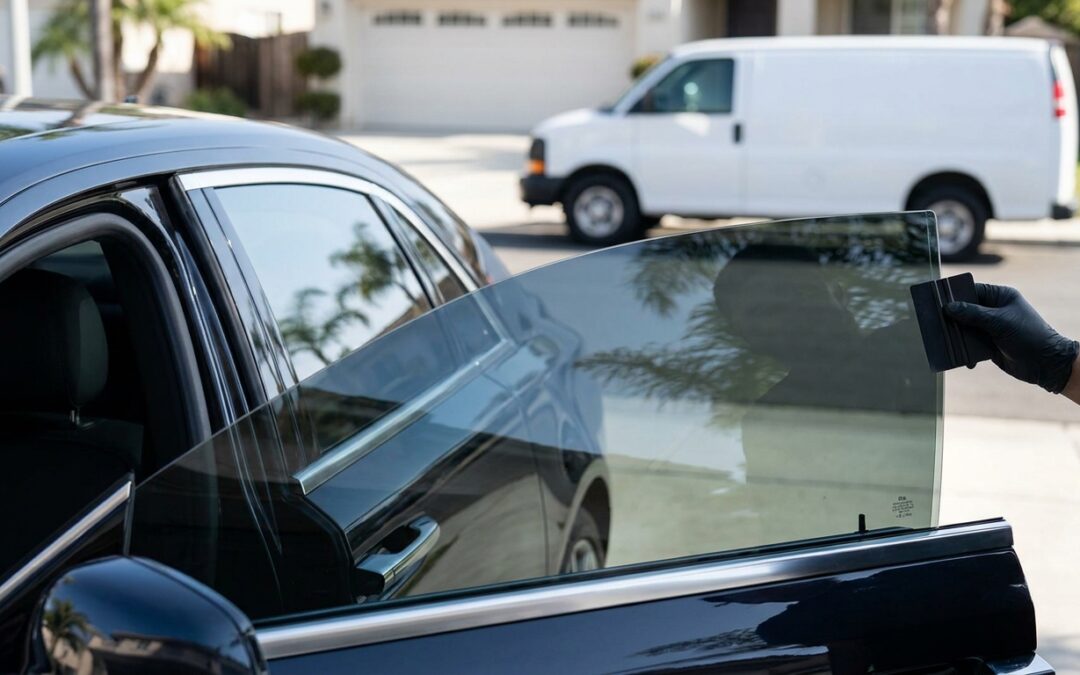
- Hire professional mobile installers who clean the glass thoroughly and use precise fitting techniques.
Utilizing a service that comes directly to your location makes the process convenient. For example, scheduling mobile window tinting in Pasadena, Glendale, or Burbank allows you to get professional installation at your home or workplace without taking time out of your busy schedule.
Request Your Free Mobile Tinting Quote
Legacy Mobile Tints eliminates the hassle of vehicle tinting by bringing professional service straight to your driveway or office parking lot. We serve communities across the Los Angeles area, including Pasadena, Glendale, Burbank, Arcadia, Alhambra, Monterey Park, Montebello, South Pasadena, and San Marino.
We install premium carbon and ceramic window tints in shades ranging from 50% down to 5% VLT. Our materials ensure heat rejection, clear road visibility, full electronics compatibility, and long-lasting durability.
Ready to upgrade your vehicle with clean, professional window tinting? Call Legacy Mobile Tints today at 818-605-5855 or contact Legacy Mobile Tints today to request your free mobile tint quote.