
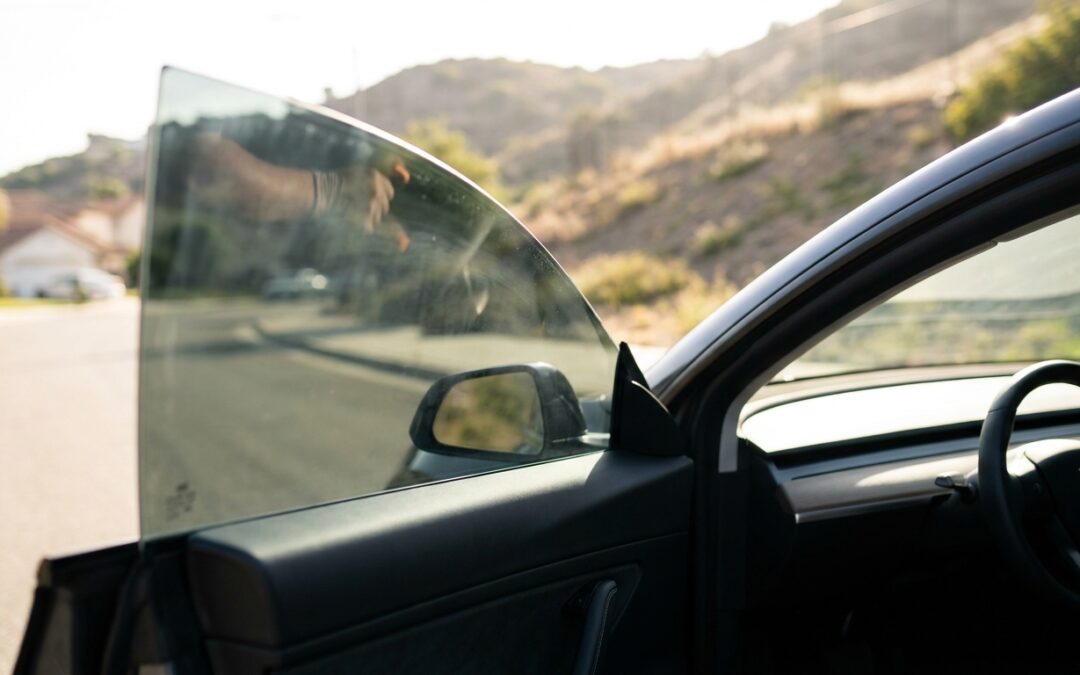
How Long Do Tinted Windows Take To Cure?
Getting new window film installed on your vehicle improves comfort, reduces glare, and protects your interior from heat and ultraviolet damage. However, the process does not end the moment the installer finishes applying the film. Every freshly tinted window requires a drying and curing period before the adhesive locks onto the glass completely.
On average, automotive window tint takes between 3 to 7 days to cure during warm, sunny weather. In cooler temperatures or during rainy, humid seasons, the curing process can take anywhere from 2 to 4 weeks. Knowing what to expect during this time helps you protect your investment and avoid accidental damage to your new film.
If you live in the Los Angeles area and want professional service brought directly to your doorstep, Legacy Mobile Tints offers mobile window film installation across Pasadena, Glendale, Burbank, Arcadia, Alhambra, Monterey Park, Montebello, South Pasadena, and San Marino. You can explore our carbon and ceramic tint options to choose the right style and heat rejection level for your vehicle.
Understanding the Window Tint Curing Process
During installation, window tint technicians apply a water-and-soap application solution to position the film properly on the glass. Squeegees remove the vast majority of this liquid, but tiny amounts of moisture remain trapped between the adhesive layer and the glass surface.
Curing is simply the natural evaporation of that remaining moisture through the micro-porous structure of the tint film. Until that liquid evaporates completely, the adhesive cannot form its final bond with the glass.
The Moisture Evaporation Stage
As the sun heats the glass, trapped water begins to turn into vapor and escapes through the film. During this phase, you may notice visual imperfections on your windows. This is completely normal and a standard part of the drying stage.
Why Water Bubbles and Haze Appear
It is common to see small water pockets, milky spots, or a hazy appearance across the glass during the first few days after installation. These water blisters are not structural defects or installation errors. They are simply pockets of application fluid waiting to evaporate. As the sun warms your car, these spots gradually shrink and vanish entirely.
Key Factors That Influence Tint Curing Time
Not every car dries at the exact same rate. Several real-world factors influence how quickly the moisture leaves the film layer.
Southern California Weather and Solar Exposure
Direct sunlight and heat speed up evaporation significantly. In hot, sunny climates like Los Angeles, windows can cure in as little as 3 to 5 days. Parking your car outdoors in direct sunlight during the daytime helps accelerate the process. Conversely, parking inside a cool garage or driving during cold, cloudy winter months slows down evaporation, extending the curing time up to a month.
Film Type and Material Density
The type of window film you select affects drying times. Standard dyed or metallic films tend to dry relatively quickly because they are slightly thinner. Carbon and high-performance ceramic films are thicker and denser to block superior amounts of infrared heat. Because ceramic tint features multiple protective layers, it holds onto moisture slightly longer. However, the added heat rejection and long-term durability make the brief extra drying time worthwhile.
Glass Location and Window Thickness
Rear windows with defroster lines and thick side glass hold onto heat differently than front side windows. Additionally, windows that receive direct sunlight throughout the day dry faster than windows shaded by buildings or trees.
Crucial Rules to Follow While Your Tint Cures
To ensure smooth results and prevent the film from lifting or peeling, you must follow a few practical rules during the initial drying phase.
Keep Your Windows Rolled Up
Do not roll down your windows for at least 3 to 5 full days after installation. Rolling down the glass causes the top edge of the film to rub against the rubber window seals. If the adhesive is still damp, this friction can catch the edge of the film, leading to peeling, rolling, or bubbling along the top border.
Avoid Cleaning the Interior Glass
Leave the inside surface of your tinted glass alone for at least two weeks. Wiping or scrubbing the film while moisture is still present can push water around, create distorting streaks, or dislodge the film from the glass. Once the film cures, clean the interior surface using a soft microfiber towel and an ammonia-free cleaner.
Do Not Touch or Pop Water Blisters
It can be tempting to press on water bubbles or try to pop them with a pin. Doing this will ruin the film, tear the material, and leave permanent marks. Allow the natural heat of the sun to dry out the moisture bubbles on its own.
California Tint Law Considerations
When selecting your window film shade, it is important to comply with state standards. California window tint regulations specify distinct rules for different windows on your vehicle:
- Windshield: Non-reflective tint is permitted only on the top 4 inches of the windshield.
- Front Side Windows: Must allow at least 70% of light through (70% VLT) when combined with the factory glass tint.
- Back Side Windows: Any darkness level can be applied to rear side windows.
- Rear Windshield: Any darkness level is allowed, provided the vehicle has dual side mirrors.
We offer high-performance carbon and ceramic films ranging from 50% down to 5% shade levels, allowing you to stay stylish, comfortable, and compliant with state requirements.
How to Tell When Your Window Tint Is Fully Cured
You can tell your window tint has completely cured when the glass looks perfectly clear from every angle. Check the windows from both inside and outside the vehicle under direct sunlight. If all milky haze, water pockets, and visual distortions have disappeared, the adhesive has set completely, and you can safely roll down your windows and clean the glass.
Get Professional Mobile Window Tinting at Your Home or Office
You do not need to sit in a waiting room to get quality window tint installed on your vehicle. Legacy Mobile Tints brings high-grade carbon and ceramic tinting directly to your driveway or workplace.
We serve vehicle owners throughout Pasadena, Glendale, Burbank, Arcadia, Alhambra, Monterey Park, Montebello, South Pasadena, and San Marino. Whether you need reliable heat reduction or sleek style, we handle the installation while you focus on your day.
If you are in the area, check out our professional mobile window tinting in Pasadena, browse through examples of our recent work, or contact us today.
Call Legacy Mobile Tints at 818-605-5855 or visit our website to request a mobile tint quote for your vehicle.