Is 35% Or 20% Tint Darker? A Guide to Window Tint Shades
If you are planning to tint your vehicle windows, understanding tint percentages can be confusing. A common question car owners ask is: Is 35% or 20% tint darker?
The direct answer is that 20% tint is darker than 35% tint. Window tint ratings refer to Visible Light Transmission, commonly abbreviated as VLT. The percentage number represents how much visible light passes through the tinted glass. A lower percentage means less light gets through, resulting in a darker window. A higher percentage allows more light into the vehicle, making the tint lighter.
Therefore, a 20% film lets only 20% of visible light into your car cabin, while a 35% film allows 35% of light through. Knowing this distinction helps you choose the right shade for your vehicle, style preferences, and daily driving needs.
35% vs 20% Tint: Comparing the Shades
Choosing between 35% and 20% window tint comes down to how dark you want your windows to look and how much privacy you need. Here is a breakdown of what to expect from each option.
What Does 35% Tint Look Like?
A 35% tint is considered a moderate shade. It darkens your vehicle windows enough to give it a sleeker, stylish look without making the interior difficult to see from the outside under bright light. During daytime driving, people passing by can still see silhouettes inside the car, but direct glares are significantly softened.
Key features of 35% tint include:
- Good Daytime and Nighttime Visibility: Driving at night with a 35% tint is comfortable because your outward view remains relatively clear.
- Subtle Appearance: It gives your vehicle a clean, finished appearance without looking overly aggressive or completely blacked out.
- Moderate Privacy: It keeps direct eyes off your belongings while maintaining open visibility inside the vehicle during bright conditions.
What Does 20% Tint Look Like?
A 20% tint is noticeably darker than a 35% shade. It is often referred to as a factory match shade because many trucks, crossovers, and SUVs come equipped from the manufacturer with roughly 20% tinted glass on their rear windows.
Key features of 20% tint include:
- Increased Privacy: From the outside, it is difficult to look directly into the car, even during daytime hours.
- Darker Aesthetic: It gives vehicles a sporty, private appearance that many car enthusiasts prefer.
- Reduced Interior Glare: It blocks a larger portion of incoming sunlight, reducing eye strain during peak daytime heat.
Understanding Visible Light Transmission (VLT)
To choose the best window film for your vehicle, it helps to understand how VLT scales across different film darkness levels. Automotive window tints generally range from 50% down to 5%.
- 50% Tint: A light shade that offers UV and heat protection with minimal visible change to the window appearance.
- 35% Tint: A medium-light shade providing moderate privacy and a clean look.
- 20% Tint: A medium-dark shade that provides strong privacy and closely matches factory rear window glass.
- 5% Tint: Commonly called limo tint, this is the darkest shade available, blocking 95% of incoming light for maximum privacy.
To see examples of these different shades installed on real vehicles, feel free to browse our work gallery.
California Window Tint Laws for 35% and 20% Shades
Before applying window tint to your vehicle, you must consider state laws. California window tint laws have specific requirements for which windows can be tinted and how dark they can be.
Under California vehicle regulations:
- Front Side Windows: Must allow at least 70% of light through when combined with the factory glass tint. This means standard 35% and 20% tints are generally too dark for driver and front passenger side windows.
- Rear Side Windows: You can install any darkness of tint, including 35%, 20%, or even 5% limo tint.
- Back Windshield: Any shade of tint is permitted as long as the vehicle has dual side mirrors that provide adequate rearward vision.
- Front Windshield: Tint is allowed only on the top 4 inches of the windshield as a non-reflective strip.
Always keep these legal limits in mind when selecting film darkness levels for your front and rear windows to stay compliant on the road.
Carbon vs Ceramic Window Tint
Darkness is not the only factor when picking a window tint. The material technology of the film matters just as much. Darkness affects light and privacy, but high-performance materials dictate heat rejection and UV protection.
At Legacy Mobile Tints, we offer both high-grade carbon and advanced ceramic films across shades ranging from 50% to 5% VLT.
Carbon Window Tint
Carbon film contains carbon particles embedded within the material. It delivers a rich, matte finish that never fades or turns purple over time. Carbon tint effective blocks infrared radiation and provides solid heat rejection, keeping your interior cooler than standard dyed film.
Ceramic Window Tint
Ceramic film uses nano-ceramic particles that are non-conductive and non-metallic. It provides the highest level of heat Rejection, blocking up to 99% of harmful ultraviolet (UV) rays and a significant portion of infrared heat. With ceramic film, even a lighter shade like 35% can block more heat than a darker standard film.
Explore our complete range of carbon and ceramic window tint options to find the right balance of heat rejection and visual appearance for your car.
Choosing the Right Tint Shade for Your Needs
When choosing between 35% and 20% tint, ask yourself the following questions:
1. How much night visibility do you need?
If you frequently drive on unlit rural roads or struggle with dark side windows at night, 35% tint offers clearer outward visibility compared to 20%.
2. Is cabin privacy your top priority?
If keeping personal belongings out of sight on rear seats is your main concern, 20% tint provides much stronger shade protection against outside viewers.
3. Are you trying to match factory tinted glass?
If you drive an SUV or truck with factory tint on the rear windows, applying 20% film to the clear rear side windows creates an even, consistent look across the vehicle.
Convenient Mobile Window Tinting in Los Angeles
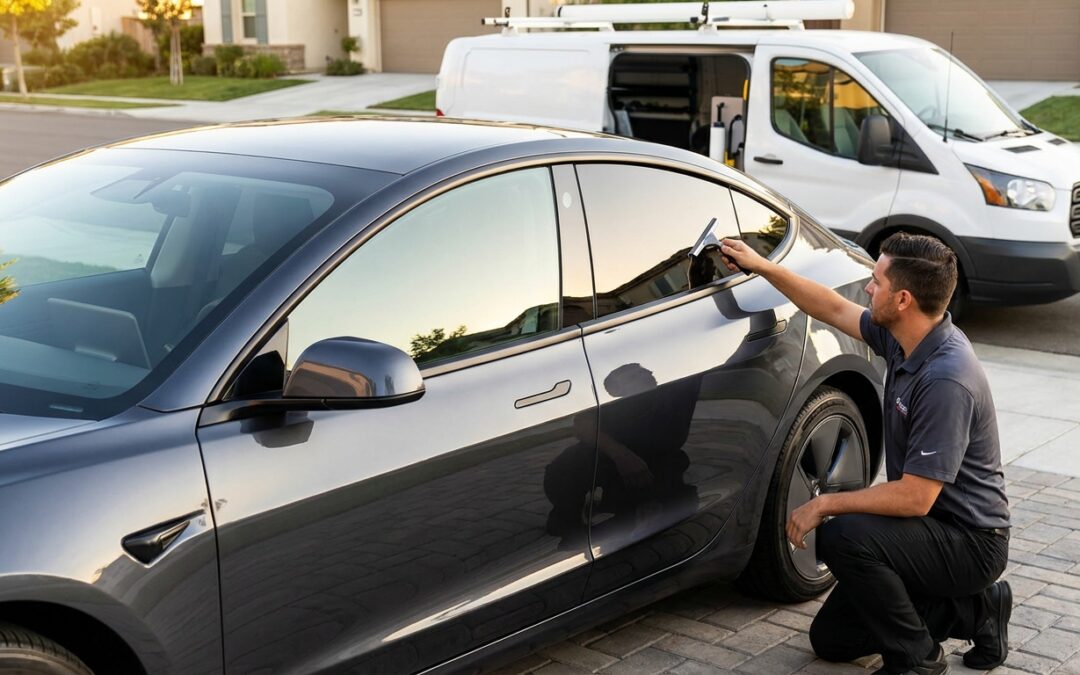
Finding time to visit a tint shop can be tough. Legacy Mobile Tints solves this problem by bringing professional window tint installation straight to your driveway or workplace.
We serve vehicle owners across the Los Angeles area, providing top-quality mobile tinting installations in cities including:
- Pasadena
- Glendale
- Burbank
- Arcadia
- Alhambra
- Monterey Park
- Montebello
- South Pasadena
- San Marino
Whether you need mobile car tinting in Pasadena, mobile car tinting in Glendale, or service in neighboring communities, our experienced installers deliver clean, precision work wherever your vehicle is parked.
Request a Mobile Window Tint Quote
Ready to upgrade your vehicle with professional carbon or ceramic window tint? Whether you choose 35%, 20%, or another shade, Legacy Mobile Tints makes the process fast and convenient.
Call us today at 818-605-5855 or visit our website to contact us for a mobile tint quote. We look forward to servicing your car at your home or office.